
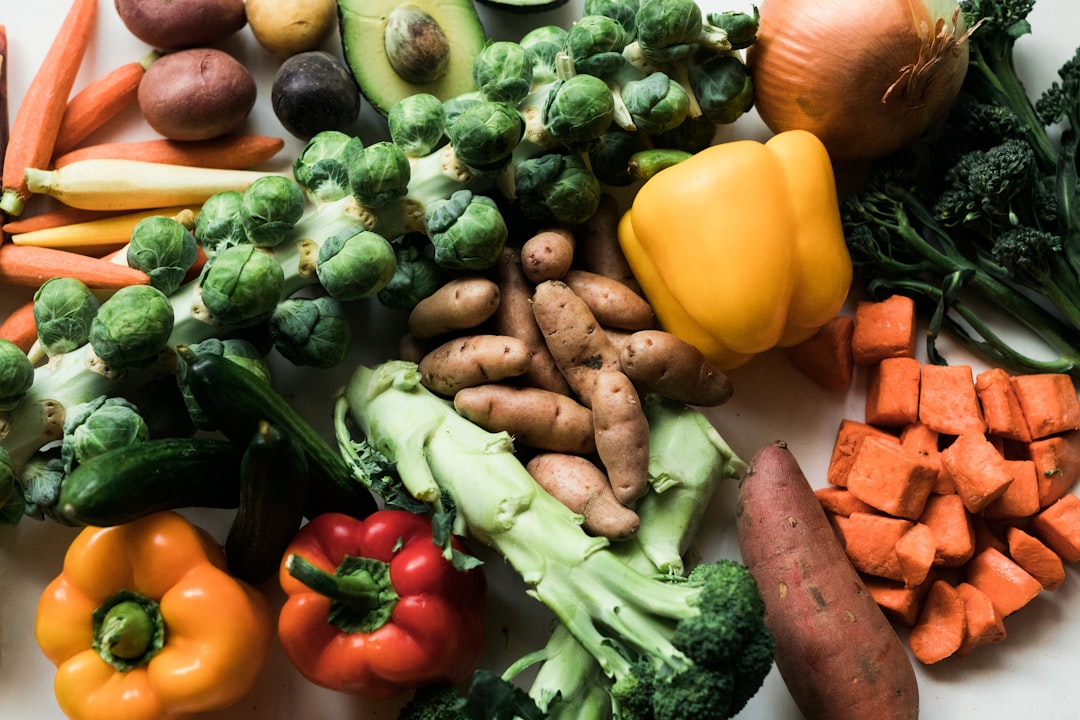
Tired of seeing leftover broccoli on plates? If you want more veggies without fuss, these smart, practical tricks bump nutrition and flavor while keeping meals tasty and simple.
1. Blend Spinach or Kale into Smoothies for a Green Boost
Sneaking leafy greens into fruit smoothies is the easiest way to add vitamins without changing the taste much. Start with milder greens like baby spinach, then work up to savory kale blends once you like the texture and flavor.
Use a frozen banana or mango to mask any vegetal notes, and add a scoop of yogurt or nut butter to make the texture silky. This approach turns a snack into a nutrient-dense mini-meal you can drink on the go.
Pro Tip: Freeze pre-washed greens in ice cube trays with a little water or juice, then toss cubes into your blender for convenience and perfect portions.
2. Swap Half the Rice for Cauliflower Rice
Cauliflower rice mimics texture while cutting calories and increasing fiber, iron, and vitamin C. Pulse raw cauliflower in a food processor or buy pre-riced packs to save time and reduce prep work.
Mix half cauliflower rice and half regular rice at first, then increase cauliflower as palate adjusts. Season aggressively with herbs, citrus, or toasted sesame oil so the dish still feels familiar.
Quick Tip: Sauté cauliflower rice briefly until just tender, then season with a splash of soy sauce or lemon to add depth without masking vegetable benefits.
3. Fold Finely Chopped Vegetables into Sauces
Tomato sauce, curry, and stir-fry sauces are forgiving vessels for extra produce. Finely dice peppers, onions, carrots, and zucchini and cook them down in your sauce so they melt into the mix and add bulk and nutrients.
Use a food processor to grate or chop quickly, then simmer the sauce longer to meld flavors. This method stretches cheaper proteins and gives kids and picky eaters less chance to spot whole veggies.
Expert Insight: Roast diced vegetables first to concentrate sweetness, then add to your sauce for deeper flavor and caramelized notes.
4. Add Grated Vegetables to Meat Mixtures
Grating carrots, zucchini, or beets into meatballs, burgers, or meatloaf adds moisture and fiber while keeping the familiar texture. The grated pieces disappear into the protein matrix and reduce overall fat while keeping juicy results.
Gently squeeze out excess moisture from zucchini or use binding ingredients like egg and breadcrumbs to maintain structure. These blends are excellent for stretching ground meat and sneaking in extra servings of veg.
Insider Tip: Combine equal parts grated carrot and mushroom with ground meat for an umami-rich, lower-fat burger that grills well without falling apart.
5. Make Veggie-Packed Pancakes and Fritters
Shredded vegetables mix easily with batter to create savory pancakes and fritters for breakfast or as a side. Use grated sweet potato, zucchini, or cauliflower with egg and a little flour, then pan-fry until crisp on the edges.
Serve with yogurt, salsa, or hot sauce to add flavor and contrast. These are portable, reheat well, and work as a main or accompaniment to sneak veggies into familiar formats.
Heads Up: Press out extra moisture from high-water veg like zucchini before frying to ensure a crisp exterior and avoid sogginess.
6. Puree Vegetables into Soups and Creamy Sauces
Pureeing cooked vegetables creates silky soups and sauces that are both comforting and nutrient-dense. Butternut squash, carrots, and cauliflower make creamy bases without heavy cream when blended with stock and aromatics.
Add a touch of acid such as lemon juice or vinegar at the end to brighten flavors, and finish with herbs or spice blends to keep the profile lively. These purees can replace part of the dairy or fat while preserving mouthfeel.
Worth Knowing: Use an immersion blender right in the pot to save cleanup time and control the texture from chunky to velvety smooth.
7. Use Spiralized Vegetables as Pasta Alternatives
Zucchini and sweet potato noodles provide a lower-carb, nutrient-rich base that takes on sauces beautifully. Quick-cook them in a hot pan or briefly blanch to keep a pleasant bite and avoid mushiness.
Top zoodles with hearty sauces that include tomatoes, lentils, or shredded chicken so the dish still feels satisfying like traditional pasta. Combining noodles with a small portion of whole-grain pasta helps transition picky eaters gradually.
Pro Tip: Salt spiralized zucchinis lightly and let them sit for 10 minutes, then squeeze out moisture to prevent watery sauce and soggy texture.
8. Boost Baked Goods with Pureed or Grated Veggies
Carrots, zucchini, and pumpkin slip into muffins, quick breads, and brownies to add moisture, color, and nutrients. Start by replacing up to a third of the fat or refined flour with pureed veg and then adjust sweeteners to taste.
Often the texture improves with added vegetable, and you can sneak whole grains in too. These treats make snacks and lunchbox items healthier without announcing their vegetable content.
Quick Tip: Swap half the oil in a muffin recipe with applesauce or pureed pumpkin plus a little extra baking powder to keep rise and texture intact.
9. Top Pizzas and Flatbreads with Thinly Sliced Veggies
Layering thin slices of peppers, mushrooms, spinach, and cherry tomatoes on pizzas makes each bite more nutrient-dense. Slicing thinly ensures vegetables cook at the same rate as the crust and cheese.
Roast vegetables first if you want concentrated flavor without extra moisture on the crust. Use a mixture of cheeses and fresh herbs after baking to keep toppings vibrant and appealing.
Expert Insight: Brush the crust with a garlic-herb oil and scatter greens on top after baking to keep them bright and avoid wilting during cooking.
10. Prep Snackable Veggies with Flavorful Dips
Cutting carrots, cucumbers, bell peppers, and jicama into sticks makes healthy options more convenient and visible in the fridge. Pair them with flavorful dips like hummus, tzatziki, or avocado crema so dipping becomes a habit.
Pre-portion dips into small containers for grab-and-go convenience and rotate dips weekly to prevent boredom. Visibility and ease increase the chance people will reach for veggies instead of processed snacks.
Insider Tip: Keep one pre-made dip in the fridge and one in the freezer; thaw the frozen one midweek to refresh options without extra prep time.
Wrap It Up With Small Changes That Stick
Small, consistent swaps beat dramatic overhauls when you want more veggies in meals that people actually eat. Try one tactic this week, evaluate how it fits your routine, and layer another trick the following week to build a sustainable pattern.
Which trick will you try this week, and how do you plan to make it a repeat habit?