
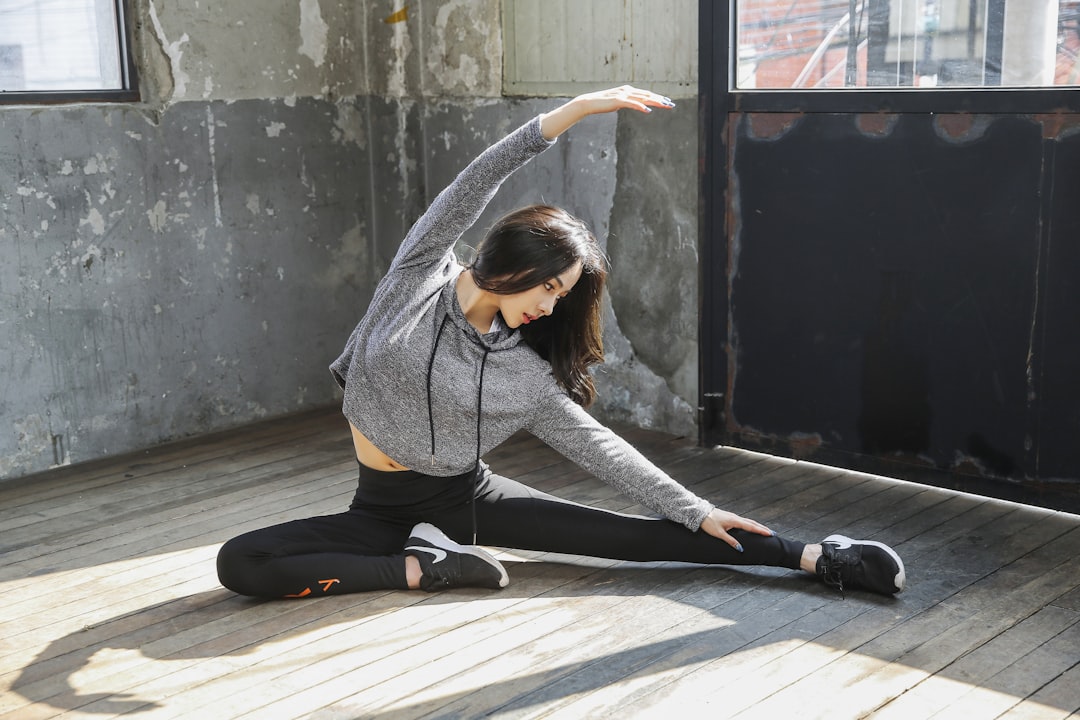
Sitting all day makes your body tight, sore, and slow. These 10 targeted stretches barely steal time from your schedule, and they fix posture, release pain, and boost focus fast.
1. Neck Releases for Screen Neck
Sit tall with both feet flat on the floor and shoulders relaxed. Tilt your head to the right, bringing your right ear toward your shoulder, and hold for 20 to 30 seconds while breathing slowly, then switch sides.
To increase the stretch, gently place your right hand on the left side of your head and apply light pressure, keeping your chest open. Repeat twice per side, and do this stretch every hour if you feel forward-head posture creeping in.
Pro Tip: Use a sticky note on your monitor as a reminder to perform this stretch at least once per hour.
2. Upper Trapezius Stretch to Ease Shoulder Tension
Sit upright and interlace your fingers behind your back, palms facing inward, to open the chest. Slowly drop your right ear to the right shoulder and hold for 20 to 30 seconds, keeping the opposite shoulder down to deepen the release.
If desktop positioning causes constant tightness, repeat this stretch three times each side and pair it with a quick shoulder roll to restore range of motion. Keep the movement gentle, and do not force any sharp pain during the hold.
Quick Tip: Set a two-minute microbreak every 90 minutes and include this stretch to break upward tension from keyboards and phones.
3. Shoulder Rolls to Loosen Tight Shoulders
Stand or sit with spine long and arms relaxed. Lift both shoulders toward your ears, roll them back and down in a smooth circular motion, and repeat 10 times, then reverse the direction for another 10 reps.
Shoulder rolls improve circulation and relax muscles that stiffen during long typing sessions. Perform this whenever you notice your shoulders creeping up, especially after calls or focused work bursts.
Expert Insight: Combine shoulder rolls with deep belly breaths to drop sympathetic nervous system activity and reduce stress in minutes.
4. Desk Chest Opener to Reverse Forward Hunch
Stand near your desk, place your palms on the edge at shoulder height, and walk your feet back until your arms are straight and your chest is gently stretched. Keep your neck neutral and breathe into the front of your chest for 20 to 30 seconds.
Opening the chest counters prolonged slouching and helps with deeper breaths, which improves concentration. Repeat twice and vary hand height to target upper or lower chest fibers for balanced posture.
Insider Tip: After long Zoom sessions, spend 30 seconds on this stretch to reset posture before returning to typing.
5. Seated Spinal Twist for Midback Mobility
Sit sideways on your chair with your feet flat on the floor, then rotate your torso toward the chair back while holding the back rest with both hands. Keep your hips square and breathe into the twist for 20 seconds, then switch sides.
This controlled rotation mobilizes the thoracic spine, which often gets stiff from prolonged forward sitting. Do two rounds each side to help reduce midback pain and improve turning mobility when reaching for items.
Heads Up: Keep the twist gentle if you have lower back pain, and avoid forcing the rotation beyond comfortable range.
6. Seated Hamstring Reach to Reduce Posterior Tightness
Sit at the edge of your chair with one leg extended forward and heel on the floor, toes pointed up. Hinge from your hips and reach toward your toes while keeping your back straight, holding for 20 to 30 seconds to feel a stretch along the back of the leg.
Hamstring tightness impacts pelvic tilt and lower back comfort, especially after many hours of sitting. Repeat twice per leg and alternate daily between a deeper hold and a light, active movement to keep tissues responsive.
Worth Knowing: If reaching your toes is hard, loop a scarf around the foot and use it to gently pull, maintaining a long spine during the stretch.
7. Hip Flexor Stretch to Counter Prolonged Sitting
Stand in a split stance with one foot forward and the other foot back, toe pointed and heel lifted slightly off the ground. Tuck your pelvis under and shift weight forward until you feel a gentle stretch in the front of the back hip, holding for 30 seconds and switching sides.
Tight hip flexors tilt the pelvis forward and create lower back strain, which many office workers feel by the end of the day. Use this stretch every couple of hours and squeeze your glute of the back leg to deepen the release safely.
Pro Tip: Perform this stretch in the office corridor between meetings to reset your posture and energy quickly.
8. Wrist and Forearm Mobility for Typists
Extend one arm with palm facing down and use the opposite hand to gently pull fingers toward you to stretch the top of the forearm for 20 seconds, then flip the palm up and repeat to target the underside. Keep the elbow straight but not locked to isolate the forearm muscles.
Frequent typing and mouse use create tension and numbness if not addressed. Do sets of three stretches per side during brief breaks to maintain wrist range and reduce repetitive strain risk.
Quick Tip: Alternate this stretch with a few slow wrist circles to maintain joint lubrication and decrease stiffness after long typing sessions.
9. Calf Stretch to Avoid Stiff Legs and Circulation Slumps
Stand facing a wall or desk and place one foot back with heel on the floor, bending the front knee and pressing the back heel down for 20 to 30 seconds. Keep toes pointing forward and hips square to ensure you are stretching the gastrocnemius muscle effectively.
Calf tightness can limit ankle motion and make prolonged sitting feel more uncomfortable when you stand up. Repeat twice per side and do a few quick repetitions before walking to activate the lower leg and support circulation.
Expert Insight: If you spend long periods seated, set an alarm to stand and do calf raises and this stretch every hour to reduce swelling and stiffness.
10. Full-Body Wake-Up Flow for a Quick Energy Reset
Stand up, reach both arms overhead, inhale deeply, then fold forward at the hips reaching toward the floor for five slow breaths. Roll up slowly one vertebra at a time, circle your shoulders, and finish with a gentle neck release to restore movement from head to toe.
This short sequence increases blood flow, resets posture, and gives you a mental boost without requiring special equipment. Use it in the morning, after lunch, or anytime mid-afternoon when energy dips and focus fades.
Insider Tip: Time this flow to the end of a stretch break, or use it as a transition between tasks to return to work feeling renewed.
Ready to Move More at Your Desk?
Pick two stretches from this list to do daily for one week and track how your neck, shoulders, and lower back feel. Which stretch will you commit to trying during your next work break?